
Cost-Cutting and Nursing: Are We Solving the Wrong Problems?
Courtney Desy, BSN, RN, OCN Across the country, hospitals are under sustained financial pressure. Margins are thin, reimbursement often fails to cover the cost of care, supply chains remain fragile, and administrative demands continue to grow. Leaders are asked to stabilize organizations while navigating forces largely outside their control. Those pressures inevitably reach […] The […]
First wave of new midwives graduate from university in North East

The first-ever cohort of midwives has graduated from a course started three years ago by a higher education institution on Wearside. The post First wave of new midwives graduate from university in North East appeared first on Nursing Times.
Nurse Rule #1: Don’t Bring Something Lame to the Potluck
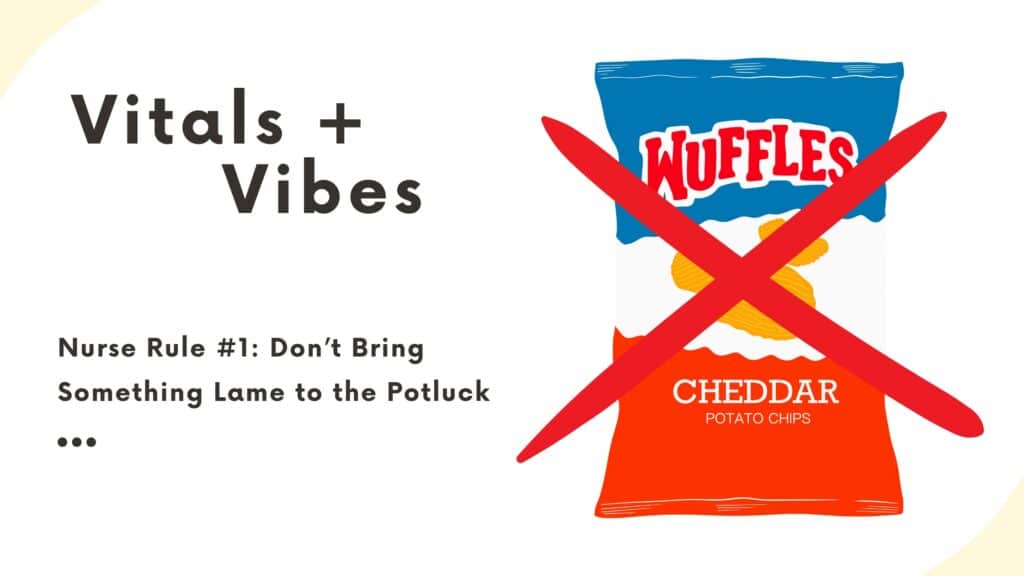
Let’s talk about the stuff no one tells you in nursing school: the unwritten rules of the job. You won’t find these in a textbook or policy manual, but you’ll learn them fast once you’re on the floor. Some of these rules keep the unit running smoothly… and some just keep the peace (and keep […]
Smartphone apps could become ‘cornerstone’ of smoking cessation

Smartphone apps are superior to basic support for quitting smoking in the long term and could become cornerstone of global tobacco control efforts, according to Chinese researchers. The post Smartphone apps could become ‘cornerstone’ of smoking cessation appeared first on Nursing Times.
Breastfeeding linked to lower risk of future depression and anxiety

Breastfeeding may lower the risk of depression and anxiety in mothers for up to 10 years after pregnancy, according to the results of a small study in Ireland. The post Breastfeeding linked to lower risk of future depression and anxiety appeared first on Nursing Times.
‘A new dawn of student mobility opportunities is potentially on the horizon’
Guy Collins argues that the immense benefits of international experience for nursing students must remain widely available. The post ‘A new dawn of student mobility opportunities is potentially on the horizon’ appeared first on Nursing Times.
NMC restarts forum to support diaspora nursing and midwifery registrants
The Nursing and Midwifery Council (NMC) has announced that it has relaunched a key strategic forum to strengthen its support for diaspora nursing and midwifery professionals. The post NMC restarts forum to support diaspora nursing and midwifery registrants appeared first on Nursing Times.
‘You’re already becoming the nurse the world needs’
Student editor Kelsey Fallows on the experience of the student nursing associate journey and people’s motivations for studying. The post ‘You’re already becoming the nurse the world needs’ appeared first on Nursing Times.
Nurse’s initiative leads to launch of liver scan clinics in East Yorkshire
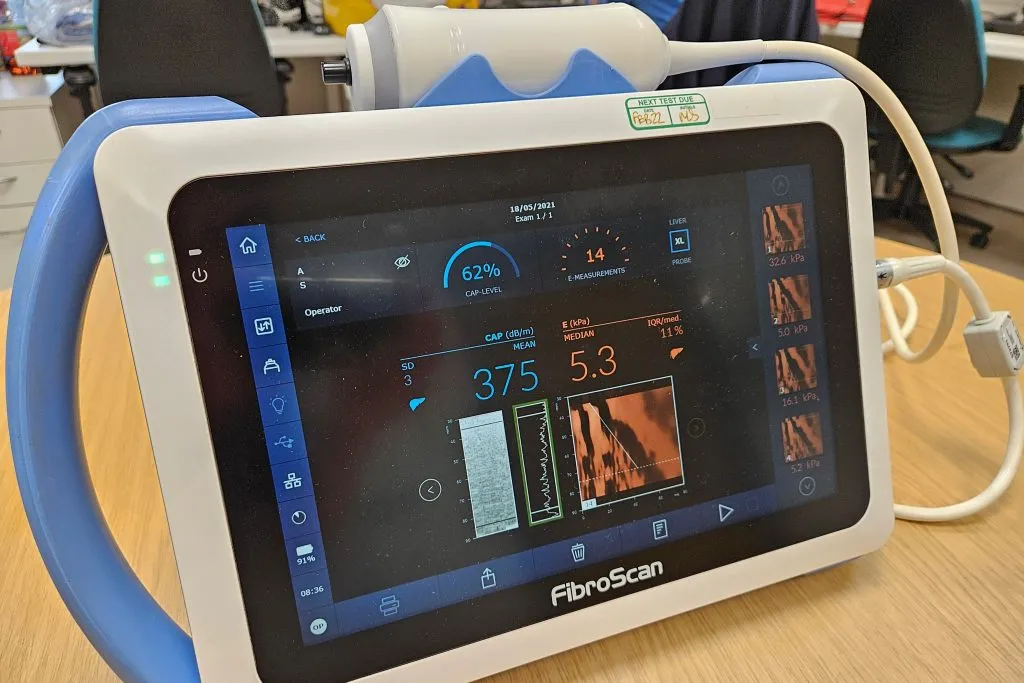
A new monthly clinic designed to help spot the early signs of liver disease will launch in East Yorkshire later this month, after a specialist nurse identified an opportunity to boost screening locally. The post Nurse’s initiative leads to launch of liver scan clinics in East Yorkshire appeared first on Nursing Times.
NCLEX Medication Review: Top Medications to Know
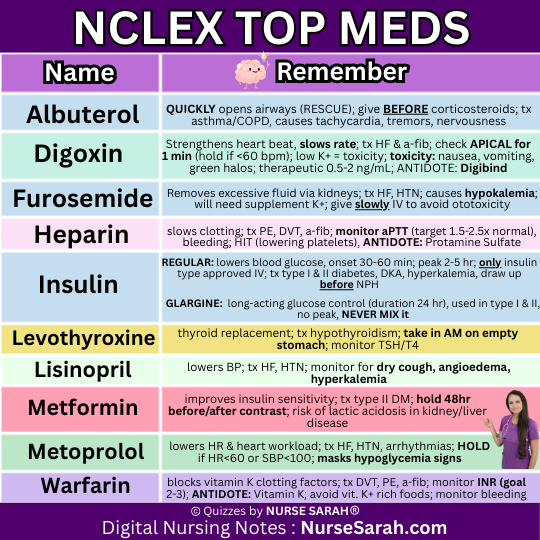
As a nursing student, mastering common medications is essential. This is not only for safe patient care but also for passing the NCLEX exam. This review provides a quick review of the most frequently encountered drugs in nursing practice, including their uses, key nursing considerations, and potential side effects. Albuterol Purpose: Albuterol is a fast-acting […]